ICU Fukushima Trip
Itinerary
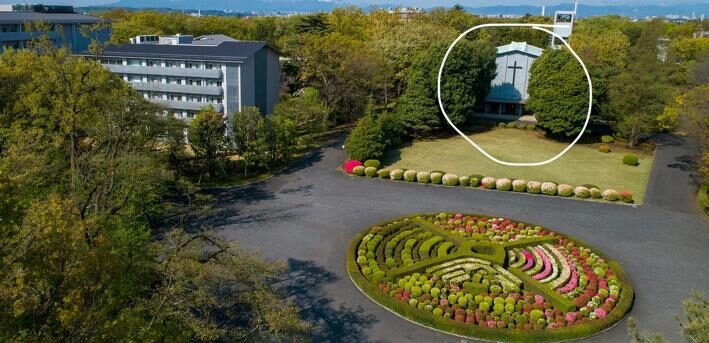
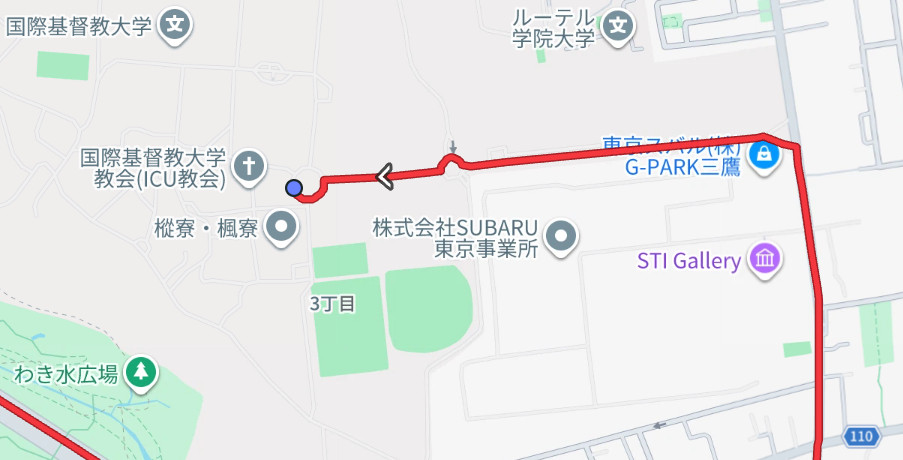
Please be in front of the chapel by 7:45, October 30th.
Friday, October 30th
8:00 Leave ICU –> 12:00 Lunch at J Village –> Drive around Daiichi NPP –>Meet Mr Isuke Takakura –> Ukedo Elementary School –> Futabaya Ryokan –> Walk around Odaka Town –>Dinner –> Q&A Session with the guide
Saturday, October 31st
8:00 Leave the inn –> Mr Issei Hangui –> Meet Shizue chan –> Shuzo’s home –> Ranch of Hope –> Lunch at Roadside Station Namie –> Meet Mr Norio Kimura –> Futabaya Ryokan –> Our Art Museum –> Dinner –> Watch Fukushima 50
Sunday, November 1st
8:00 Leave the inn –> Futaba St. –> Memorial Museum –> Meet Mr Ikuo Izawa –> Lunch at Okuma New Town Center –> 13:00 Kiwifruite farm –>1345 Leave Fukushima for Tokyo –>18:00 ICU
Tour Highlights

Meet the then nuclear reactor operater
Participants will have the rare opportunity to hear firsthand from the shift supervisor of the Unit 1 and 2 main control room at the time of the accident, who inspired the character played by Yutaka Takenouchi in The Days.

Visit the soil storage area
Contaminated topsoil has been removed from affected areas across Fukushima Prefecture and stored at the Interim Storage Facility near the Fukushima Daiichi Nuclear Power Plant.
Participants will enter this area to learn about the current state of interim storage and see landscapes that remain largely unchanged since the 2011 disaster.

Meet Mr Norio Kimura
Mr. Norio Kimura lost his wife, father, and younger daughter, Yuna, in the tsunami.
He has since established Okuma Mirai Juku, an organization dedicated to passing on the experiences and lessons of the tsunami disaster and subsequent evacuation to future generations.
Through his work, he also raises fundamental questions about the way we live today—consuming enormous amounts of energy while leaving future generations, our children and grandchildren, to bear the consequences.
His story offers a valuable opportunity to reflect on a wide range of issues, including disaster response, recovery and reconstruction, humanitarian concerns, and energy and environmental challenges.
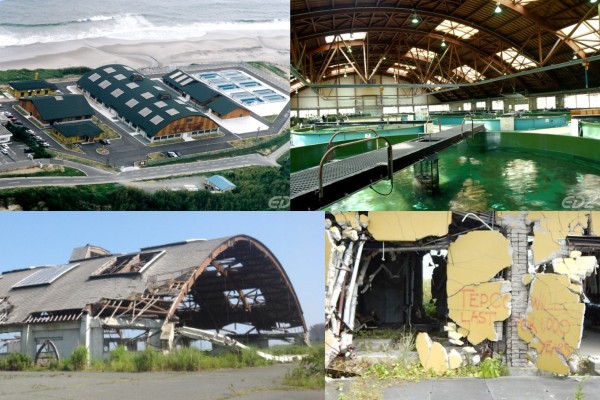

Ukedo Elementary School
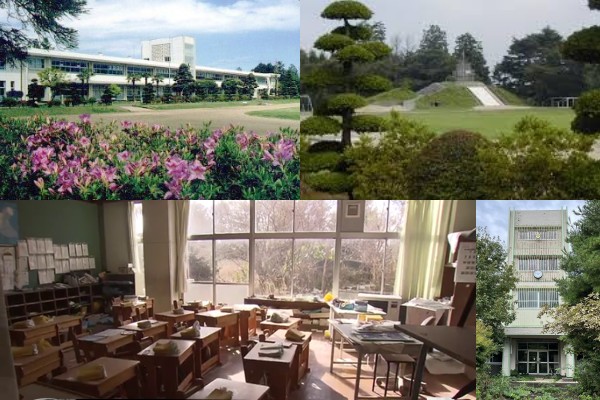
In Namie Town, 182 people lost their lives in the tsunami. At Ukedo Elementary School, located just 200 meters from the coast, the teachers evacuated on foot with all the students to a hill 1.5 kilometers away. Everyone survived.

Memorial Museum
This facility offers a comprehensive understanding of the earthquake, tsunami, nuclear disaster, and subsequent recovery and reconstruction. It opened five years ago and has welcomed more than 350,000 visitors so far.
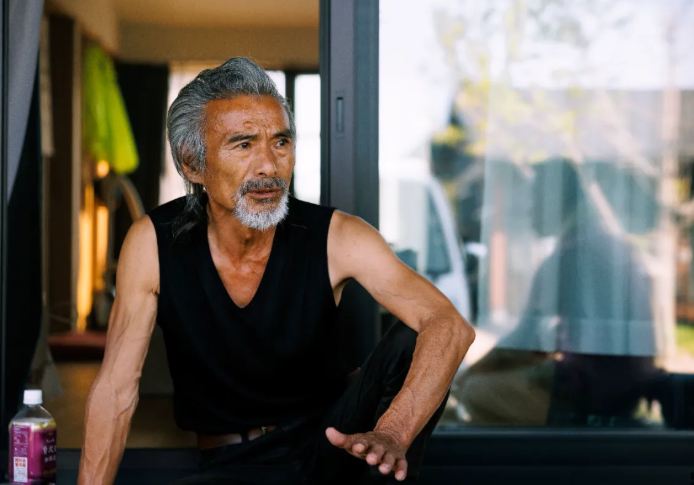
Meet Mr Isuke Takakura
Mr. Isuke Takakura was born and raised in a coastal village just 4 kilometers from the Fukushima Daiichi Nuclear Power Plant.
After the earthquake, he initially evacuated to a shelter 2 kilometers inland to escape the anticipated tsunami. However, when he heard a neighbor say, “My daughter and grandmother are missing,” he drove his small pickup truck back toward the village to look for them. On the way, he saw the tsunami approaching and was forced to turn back. To this day, he deeply regrets that he was unable to save them.
After 12 years of living as an evacuee, he returned to Futaba Town and rebuilt his village’s Shinto shrine single-handedly.
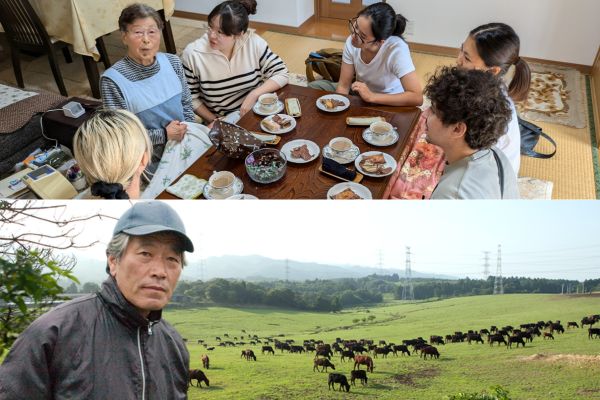
Meet the returnees
You will meet people such as a 93-year-old woman who returned alone to her mountain village, a dairy farmer who was forced to evacuate, leaving his cows trapped in their barn, where 80 of them died, and a man who continues to care for his cattle in defiance of orders to cull them.
By meeting these people who have returned to their communities and seeing the conditions in which they live, you can experience the realities of Fukushima firsthand.
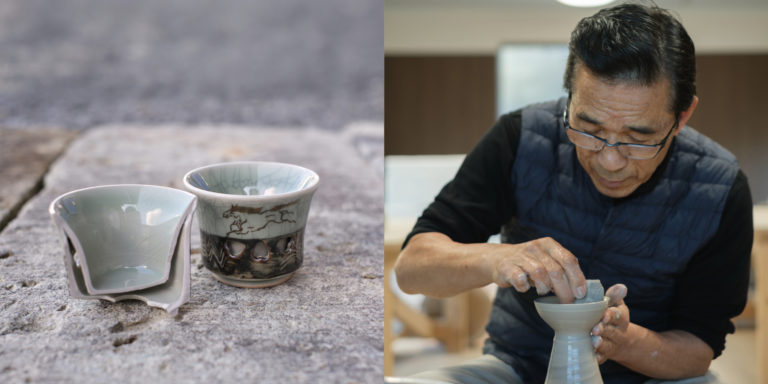
Obori Potter's Village
The Obori district of Namie Town was a mountain village community home to more than 20 pottery workshops. Following the 2011 disaster, about half of them closed down, while around eight resumed their businesses in other municipalities within Fukushima Prefecture. Of those, two have also established kilns back in Obori and are working to revive the village’s pottery-making tradition.

Learn about the radiation
Participants will wear personal dosimeters and measure radiation levels at various locations, gaining firsthand experience and a practical understanding of radiation. They will also have opportunities to learn the basics of radiation and nuclear energy during breaks in the tour.
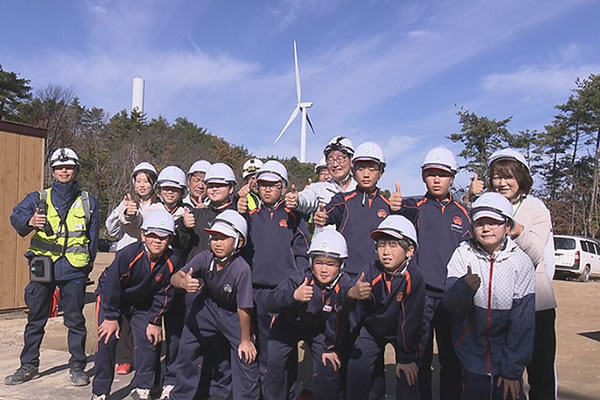
Renewable Energy
As the transmission lines previously used by the nuclear power plant were no longer needed, they have been repurposed to carry renewable energy. A total of 108 wind turbines have been built along the ridgelines of the Abukuma Highlands.
A portion of the revenue from the wind farm has been used to establish a renewable energy fund to support Fukushima’s recovery. This study tour is also expected to receive financial support from the fund.
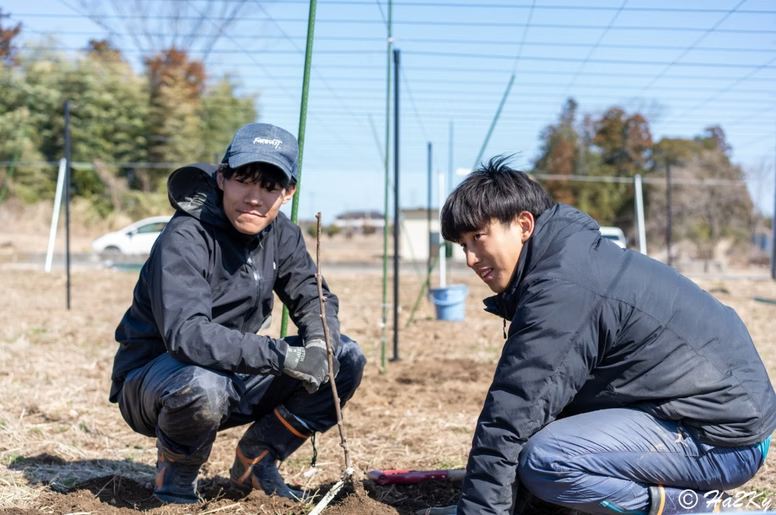
Kiwifruit Farm
Kiwifruit used to be a local specialty of Okuma Town, home to the Fukushima Daiichi Nuclear Power Plant. A group of young people has moved to Okuma to revive kiwifruit farming in the town.
This is their third year of cultivation, and on the final day of the tour, we will join them for their first-ever harvest festival.
Come and See the Reality of Fukushima's Nuclear Disaster for Yourself
– The tour will be led free of charge by a guide with extensive knowledge of the 2011 disaster, the nuclear accident, recovery and reconstruction, and energy issues.